Updated July 2026
Quick answer: To ship a boat by hot shot, book a carrier that runs a boat-capable trailer and carries cargo insurance above your boat’s value, then prep the vessel — remove loose gear, drain the bilge, disconnect the battery, and record its condition with dated photos. Because hot shot rigs move a single boat on a dedicated trailer instead of waiting to fill a full load, they deliver faster and handle your boat more directly than a shared freight carrier. Confirm the exact length, beam, and trailered height up front, since height decides the route and whether oversize permits are needed.
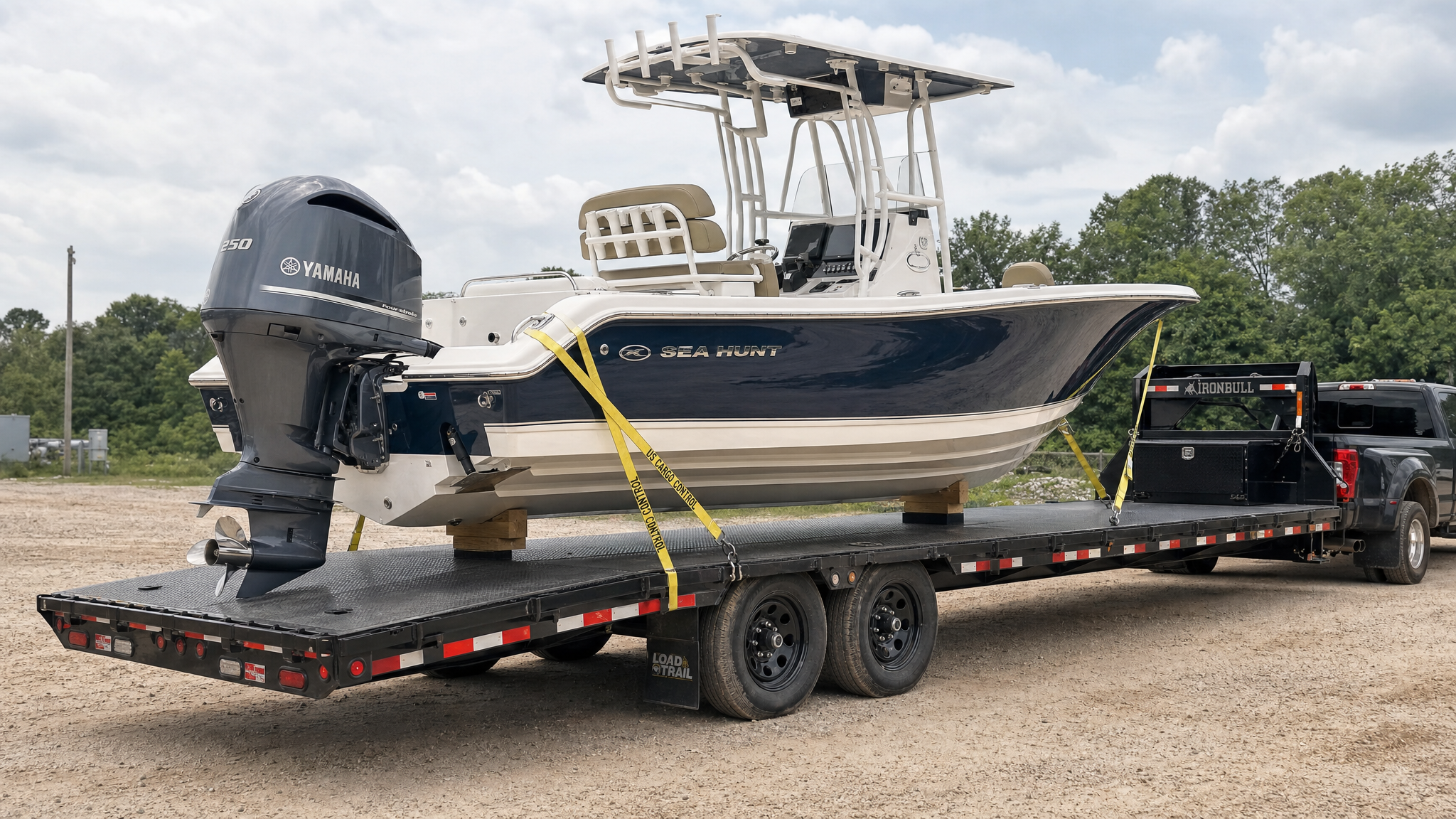
Moving a boat over the road is not like hauling a pallet of freight. Between the weight, the height, the trailer, and the value sitting on top of it, a boat is one of the more demanding loads a carrier can take on. That is exactly why hot shot trucking has become a popular option for boat owners who need a vessel moved quickly and handled with care — without waiting on a full-load carrier to fill a trailer first.
Whether you just bought a boat two states away, you are relocating, or you are moving a vessel to or from seasonal storage, here is what you should know before it goes on the road.
When does hot shot make sense for a boat?
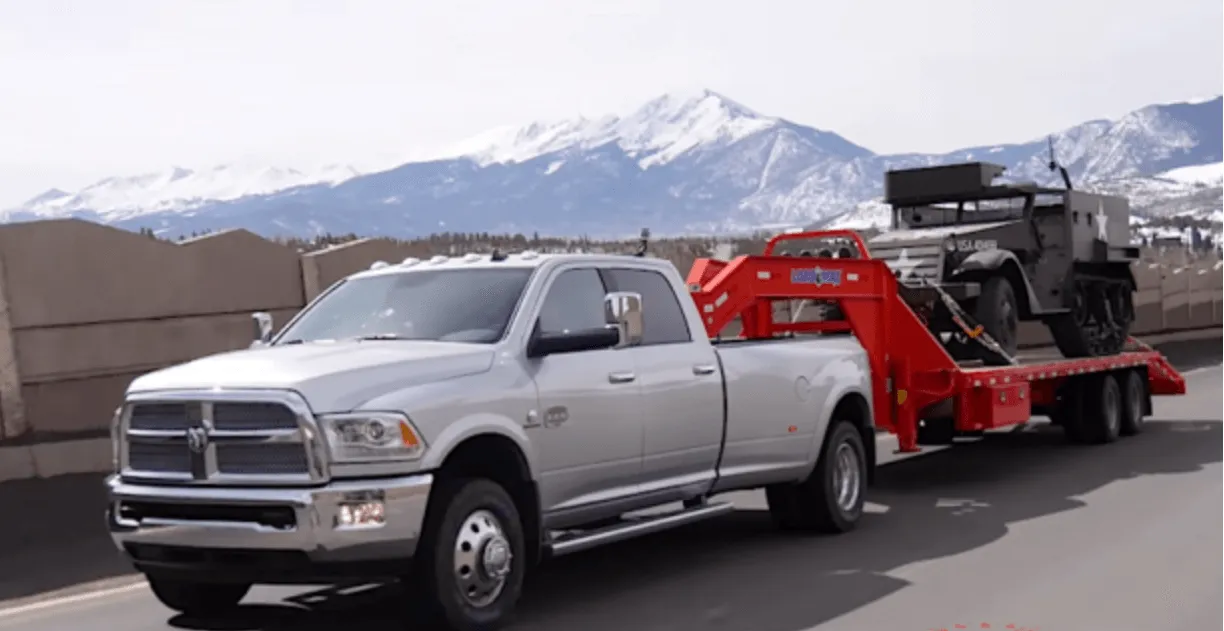
Hot shot carriers run smaller, more flexible rigs than traditional heavy-haul fleets, which makes them a strong fit for single-boat moves. You are not sharing trailer space, the pickup and delivery windows are tighter, and the driver is focused on one load instead of a dozen stops. That single-load focus is the same reason industries with time-critical cargo rely on hot shot trucking in the first place.
Hot shot is usually the right call when:
- You need the boat moved on a specific date rather than “sometime this month.”
- The boat is a single unit, not part of a larger commercial shipment.
- Pickup or delivery is somewhere a full-size carrier would rather not go — a private driveway, a boat ramp, or a rural marina.
- Time matters more than squeezing out the lowest possible per-mile rate.
If the move is urgent — a sale closing, a slip that opens up for only a few days, or a storm bearing down on a storage yard — a carrier that offers emergency transportation can often dispatch a driver the same day.
How do you prep a boat before pickup?
A smooth transport starts before the driver arrives. Taking a few steps protects the boat and speeds up loading:
- Remove or secure loose gear. Electronics, cushions, coolers, and anything not bolted down should be stowed below or taken off the boat entirely.
- Drain and disconnect. Empty the bilge, disconnect the battery, and close any drain plugs per your owner’s manual.
- Document the condition. Take dated photos from every angle before the boat leaves. This protects both you and the carrier if there is ever a question at delivery.
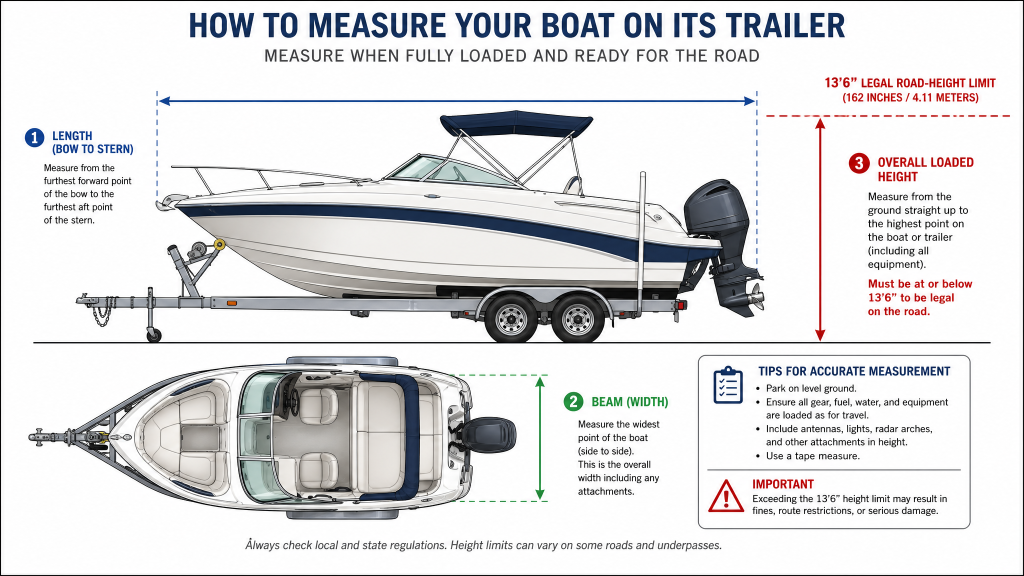
- Confirm dimensions. Give your carrier the accurate length, beam, and height on the trailer. Height especially determines the route and whether any permits are needed.
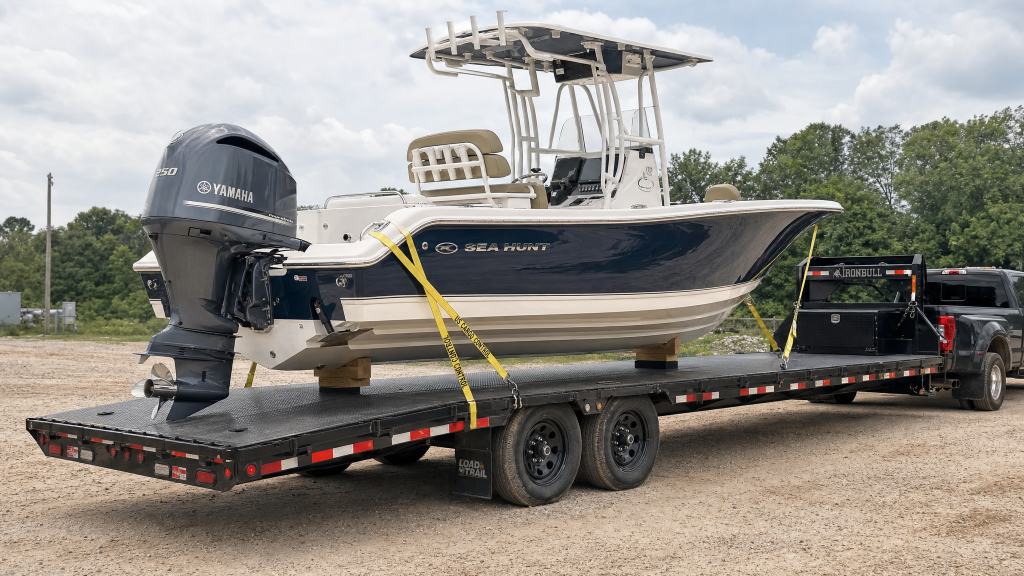
That last point matters more than most owners expect. A boat that clears a garage door on its trailer can still exceed the legal 13-foot-6-inch road height once it is loaded onto a hauler’s deck — and that changes the permitting and routing entirely.
How do you protect the hull and finish during transport?
Road transport means wind, road grime, bugs, and the occasional kicked-up stone for hours at a stretch. A boat that shows up covered in a film of highway dirt is annoying; one with a chipped gelcoat or scratched finish is a real problem.
Proper securement is the carrier’s job, and it is governed by federal rules — the FMCSA cargo securement standards under 49 CFR Part 393 require enough tiedowns, rated for the load, to keep a vessel from shifting under braking, acceleration, and cornering. When you vet a hauler, you are really confirming they take those standards seriously.
Once your boat reaches its destination and is sitting on a trailer, lift, or in dry-stack storage, the smartest way to keep it protected between uses is a snug, purpose-built cover. A quality custom cover from a maker like Perfect Fit Boat Covers is cut to your exact make and model, so it shields the upholstery, electronics, and interior from sun, rain, and debris without flapping loose.
One important note: covers like these are made for trailer, lift, or dry-stack storage — not for towing. Take the cover off before the boat goes back on the road, and put it on once the boat is parked. That one habit keeps the finish looking new season after season.
What questions should you ask before booking?
Not every carrier handles boats the same way. Before you commit, confirm:
- Insurance and cargo coverage. Ask for the certificate and the coverage limit, and make sure it comfortably exceeds your boat’s value.
- Trailer situation. Are you supplying the trailer, or is the carrier? A boat rides very differently on a trailer built for it.
- Route and permits. Tall or wide loads may need permits and specific routing. A good carrier handles this for you.
- Pickup and delivery access. Make sure the driver knows exactly what the site looks like on both ends so there are no surprises at loading.
- Experience with high-value, oversized loads. A carrier used to moving sensitive, expensive cargo — the kind handled through a dedicated specialized hauling service — brings the right equipment and instincts to a boat move.
A carrier’s track record tells you a lot. McLo, for example, documents its time-critical hauls in a published Permian Basin delivery case study — the kind of proof worth asking any hauler for.
What determines the cost and timeline?
Boat transport isn’t priced off a flat rate. The main drivers are:
- Distance and route. Longer hauls and routes that require permitted, oversize-legal roads cost more.
- Size on the trailer. Beam and height determine whether the load is legal-width or oversize, which affects permits, escorts, and pricing.
- Access on both ends. A boat that loads and unloads on a paved, open site moves faster than one down a tight rural drive.
- Timing. Same-day and hard-date moves carry a premium over flexible windows.
- Season. Spring launch and fall haul-out are peak periods; booking early protects both your date and your rate.
For an accurate number, a carrier needs your pickup and delivery points, the boat’s trailered dimensions and weight, and your target date. Solid transportation logistics turn those details into a firm plan instead of a guess.
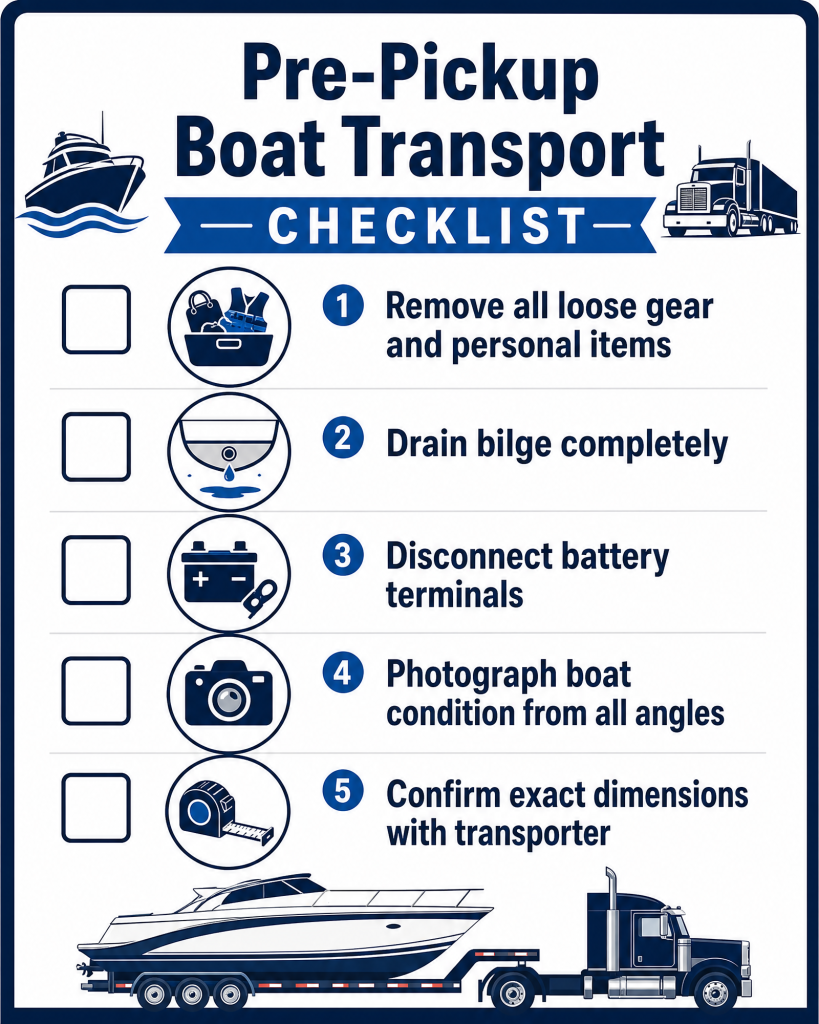
At a glance: boat transport checklist
- Chose a boat-capable carrier with cargo insurance above the boat’s value
- Confirmed who supplies the trailer
- Measured length, beam, and trailered height; flagged any oversize needs
- Removed or stowed all loose gear and electronics
- Drained the bilge, disconnected the battery, closed drain plugs
- Took dated condition photos from every angle
- Briefed the driver on pickup and delivery site access
- Have a custom cover ready for storage at the destination (off during towing)
Move it right the first time
A boat is a serious investment, and getting it from point A to point B should not put it at risk. Working with a hot shot carrier that understands oversized, high-value loads means faster scheduling, direct handling, and one less thing to worry about.
If you have a boat that needs to move — across the state or across the region — reach out to McLo HotShot Service LLC or call (432) 888-7625 for a personalized quote. Have your pickup and delivery locations, the boat’s trailered dimensions, and your target date ready, and we’ll build the plan around them.
Final Thoughts
- Hot shot fits single-boat moves that need a specific date, direct handling, or tricky pickup/delivery access.
- Prep first: stow loose gear, drain the bilge, disconnect the battery, photograph the condition, and confirm trailered dimensions.
- Height rules the route. Loaded height decides permits and routing — get it right before booking.
- Vet the carrier on cargo insurance, trailer setup, permit handling, and oversized-load experience; securement is governed by federal FMCSA rules.
- Protect the finish at the destination with a custom-fit cover from a maker like Perfect Fit Boat Covers — for storage, never for towing.
- Cost depends on distance, size, access, timing, and season; book peak seasons early.
About the author
McLo HotShot Service LLC is a family-owned, U.S. DOT–certified interstate carrier founded in 2013 and based in Odessa, Texas. Owner-operator Louis Lopez and his team have handled time-critical, high-value, and oversized loads across the Permian Basin and beyond, including boats, RVs, autos, and heavy oilfield equipment. All drivers meet Texas DPS and FMCSA qualification and medical-certification standards. Learn more about McLo.
Frequently asked questions
Can a hot shot truck really haul a boat? Yes. Hot shot carriers routinely move boats as single, dedicated loads on gooseneck, flatbed, or dovetail trailers. Because the driver isn’t waiting to fill a full trailer, a boat can be picked up and delivered on a tighter, more direct schedule than shared freight allows.
Do I need a permit to transport my boat?
It depends on the boat’s size once it’s loaded on the hauler’s trailer. Loads that exceed legal width or height — typically over 8’6″ wide or 13’6″ tall — need oversize permits and specific routing. A good carrier confirms your trailered dimensions and arranges any permits for you.
Should I leave my boat cover on during transport?
No. Custom storage covers are built for trailer, lift, or dry-stack storage, not for highway speeds, where wind can loosen or damage them. Remove the cover before the boat goes on the road and put it back on once the boat is parked at its destination.
How far in advance should I book boat transport?
As early as you can, especially around spring launch and fall haul-out when demand peaks. Booking ahead protects both your delivery date and your rate. For urgent moves, ask whether the carrier offers same-day or emergency dispatch.
What does McLo HotShot Service LLC need to give me a quote?
Your pickup and delivery locations, the boat’s trailered length, beam, height, and weight, and your target date. With those details, McLo can price the move accurately and plan the route and any permits up front.